This article uses Makki’s editorial format. Its content, photography and details can be updated from the news section in the dashboard without changing the page design.
A stand that works like a conversation
The concept begins with a simple principle: visitors should understand where to go before they need to ask. Instead of presenting the whole portfolio as one visual wall, the space is divided into clear product stories — heritage lines, everyday formats, seasonal presentation, and export-ready ranges. Each zone carries the same Makki system while giving individual brands enough room to be recognised.
What partners can review on site
The sample programme gives distributors and retail buyers space to review pack formats, carton information, merchandising possibilities and the role of each brand in a wider assortment. Short scheduled meetings are supported by product sheets and a follow-up route, so the experience is useful after the exhibition as well as during it.
A more useful product presentation
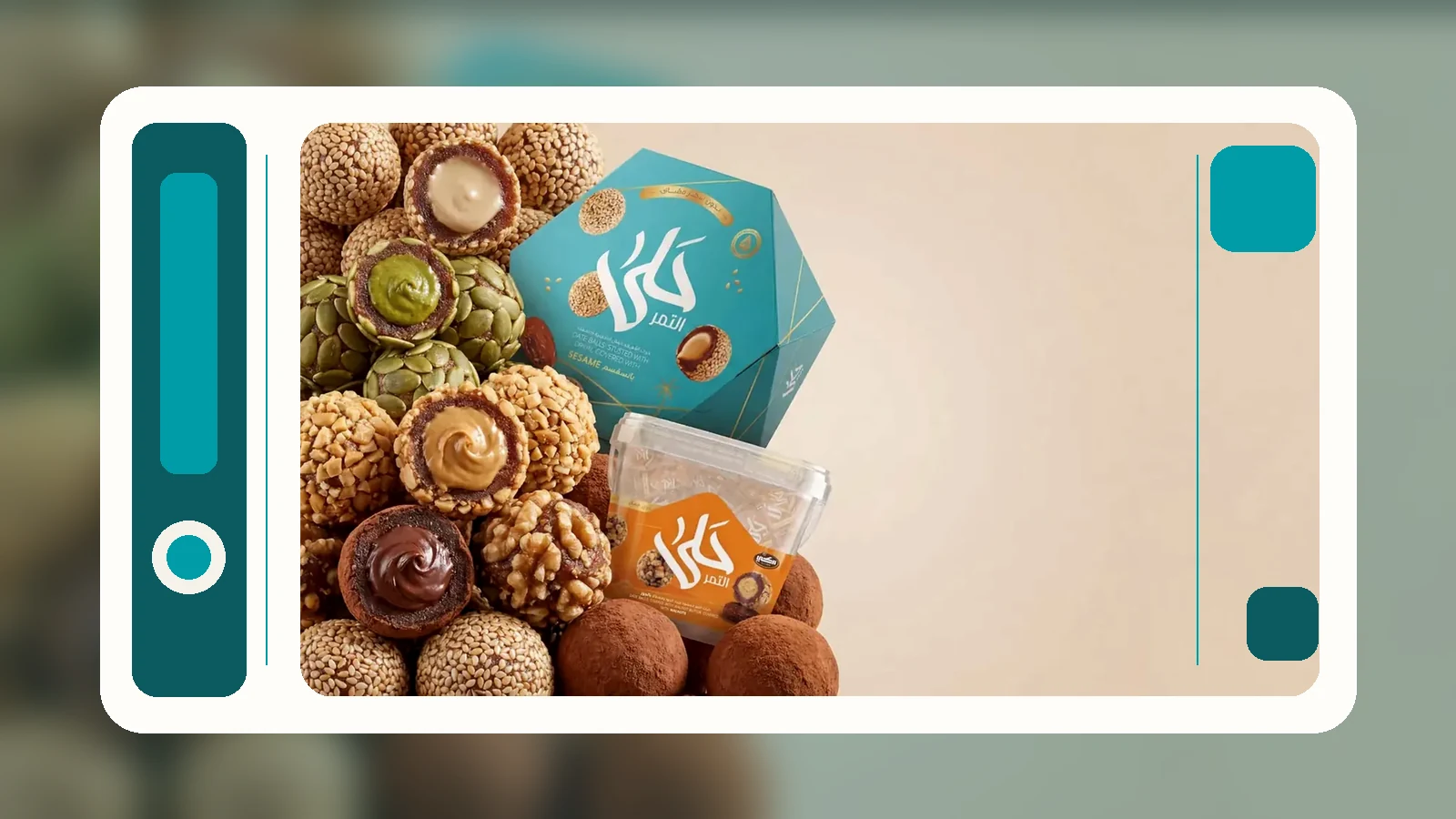
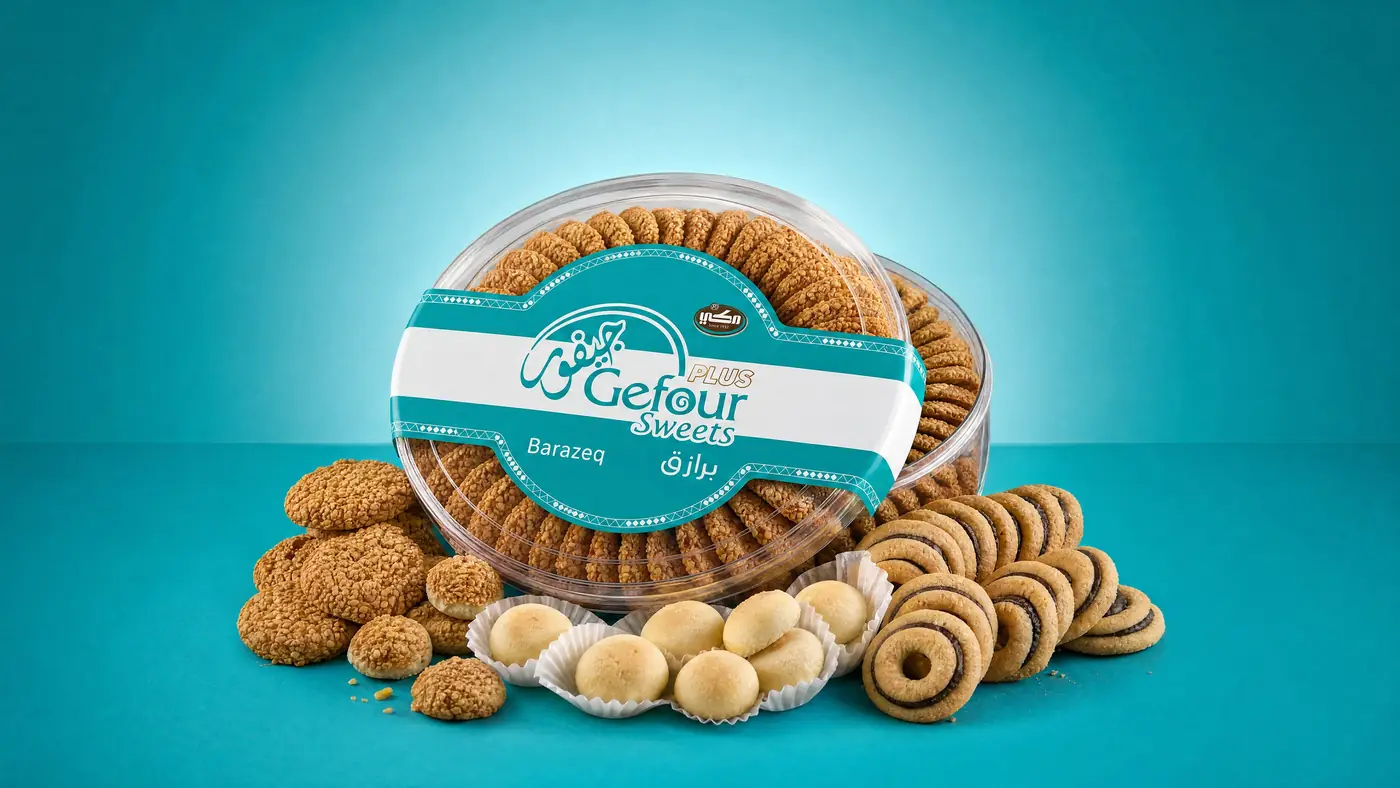
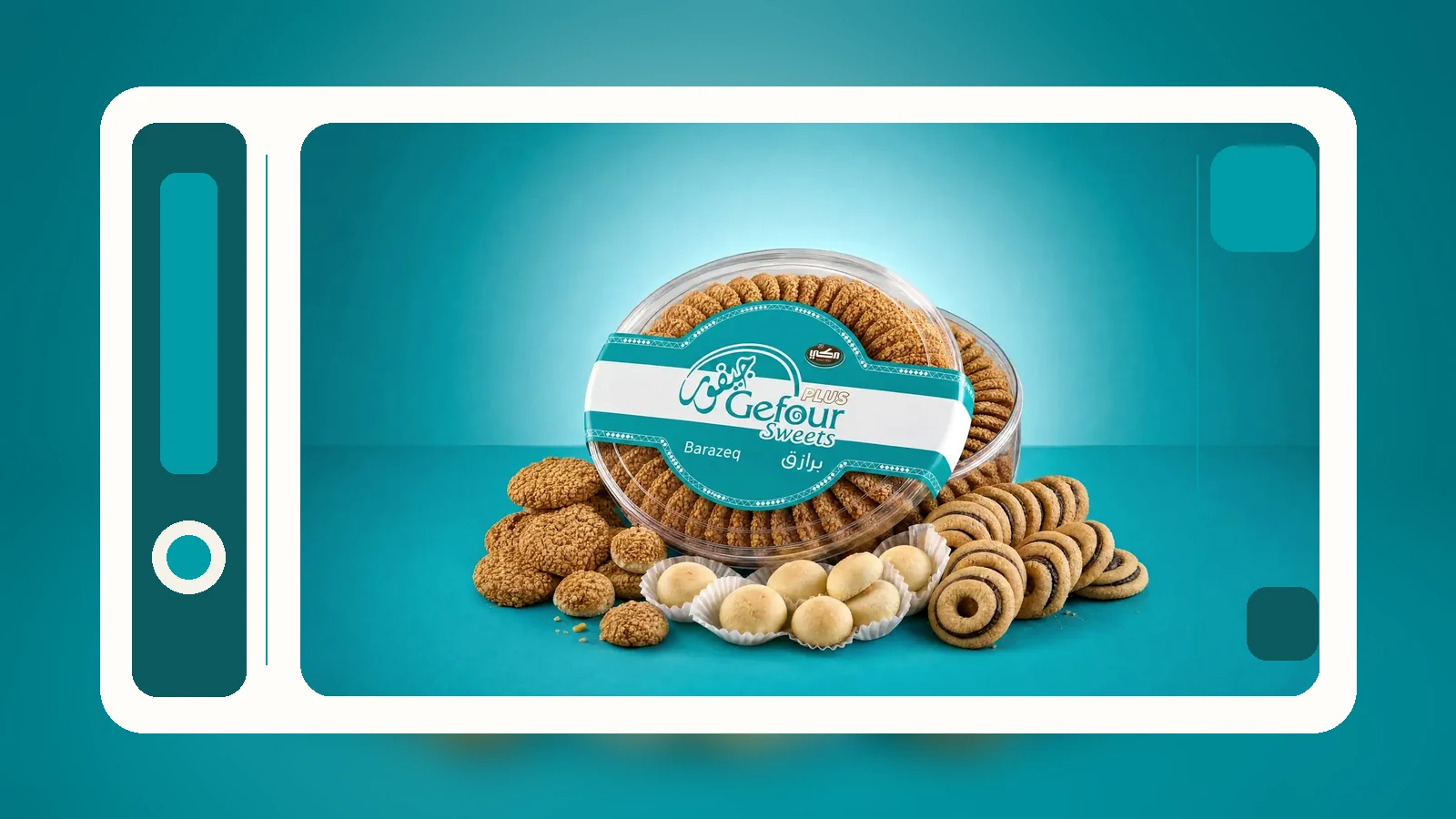
The product edit is intentionally selective. Hero products create the first impression, while supporting items are organised by format and occasion. This keeps the stand visually calm and makes it easier to discuss price architecture, shelf roles and seasonal opportunities without turning the space into a catalogue.
From visit to next step
Every meeting ends with one practical action: sample request, quotation, specification review or a follow-up call with the export team. In production, this section can carry the real venue, hall and stand number, appointment link and participating product list.
A visitor journey with fewer dead ends
The visitor journey is planned as a sequence rather than a collection of displays. A buyer can move from the house story into the relevant category, see the hero formats, compare pack sizes and then step into a meeting area without losing context. Signage stays short and consistent, while QR or printed references can carry deeper specifications. This reduces the familiar exhibition problem where the stand looks impressive from a distance but becomes difficult to navigate once several conversations are happening at the same time.
The story continues after the doors close
An exhibition article should remain useful after the event. The live version can be updated with a short post-event note, selected approved photographs, the ranges that attracted the most discussion and a contact route for people who could not attend. That turns the news page into a durable reference instead of a one-week announcement. For the website team, the same URL can move naturally from “we are attending” to “here is what happened”, preserving links already shared with partners.
What changes when the story goes live?
The content team can update the title, date, location, photography, body copy and key points. The underlying page structure remains stable so every story feels consistent and easy to read on desktop and mobile.
The aim is not to show more. It is to make the right product easier to understand.